
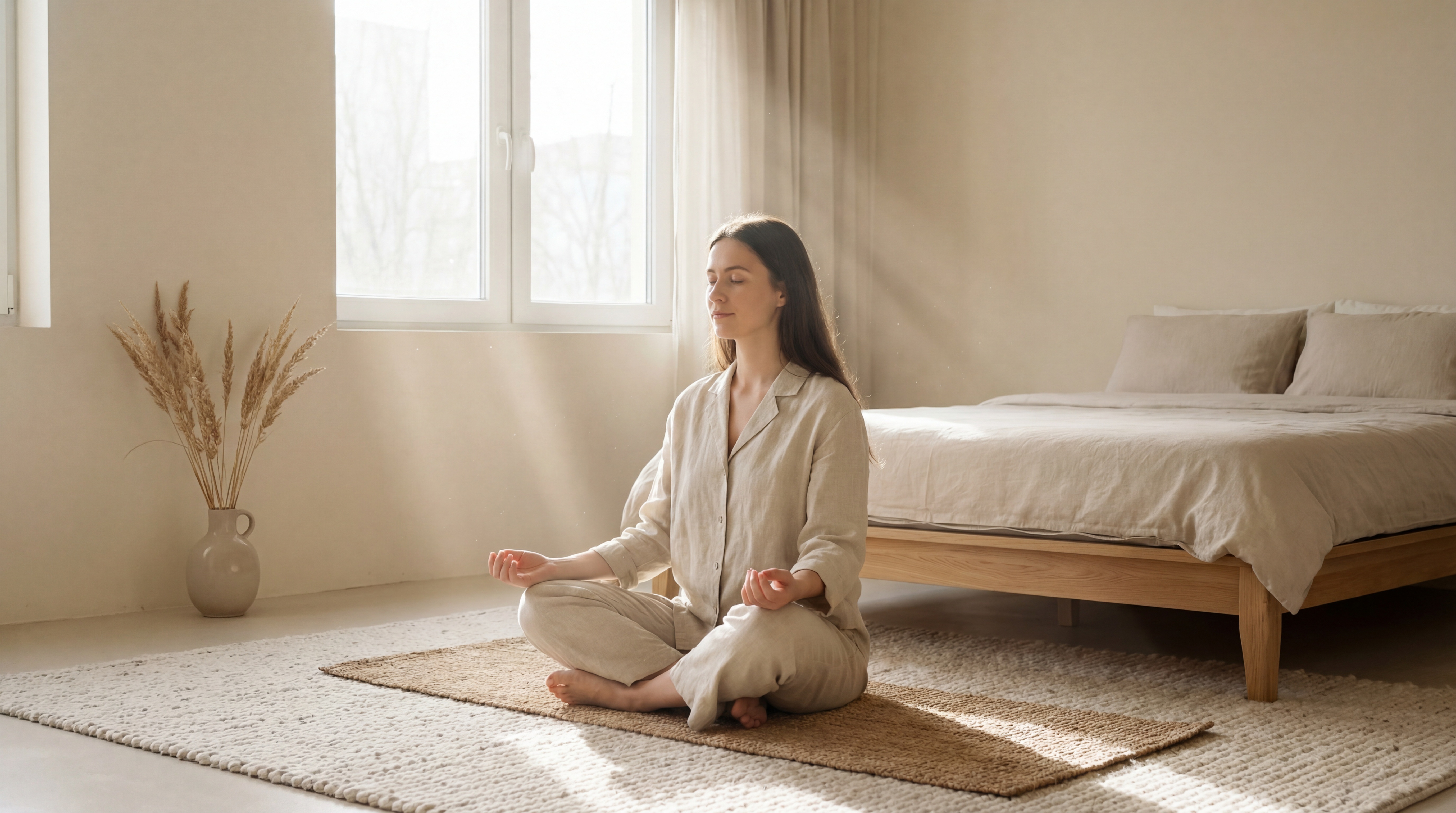
The balance of the nervous system plays a fundamental role in overall health. Stress, digestive issues, fatigue, poor sleep—many of these imbalances are closely linked to the state of our nervous system regulation.
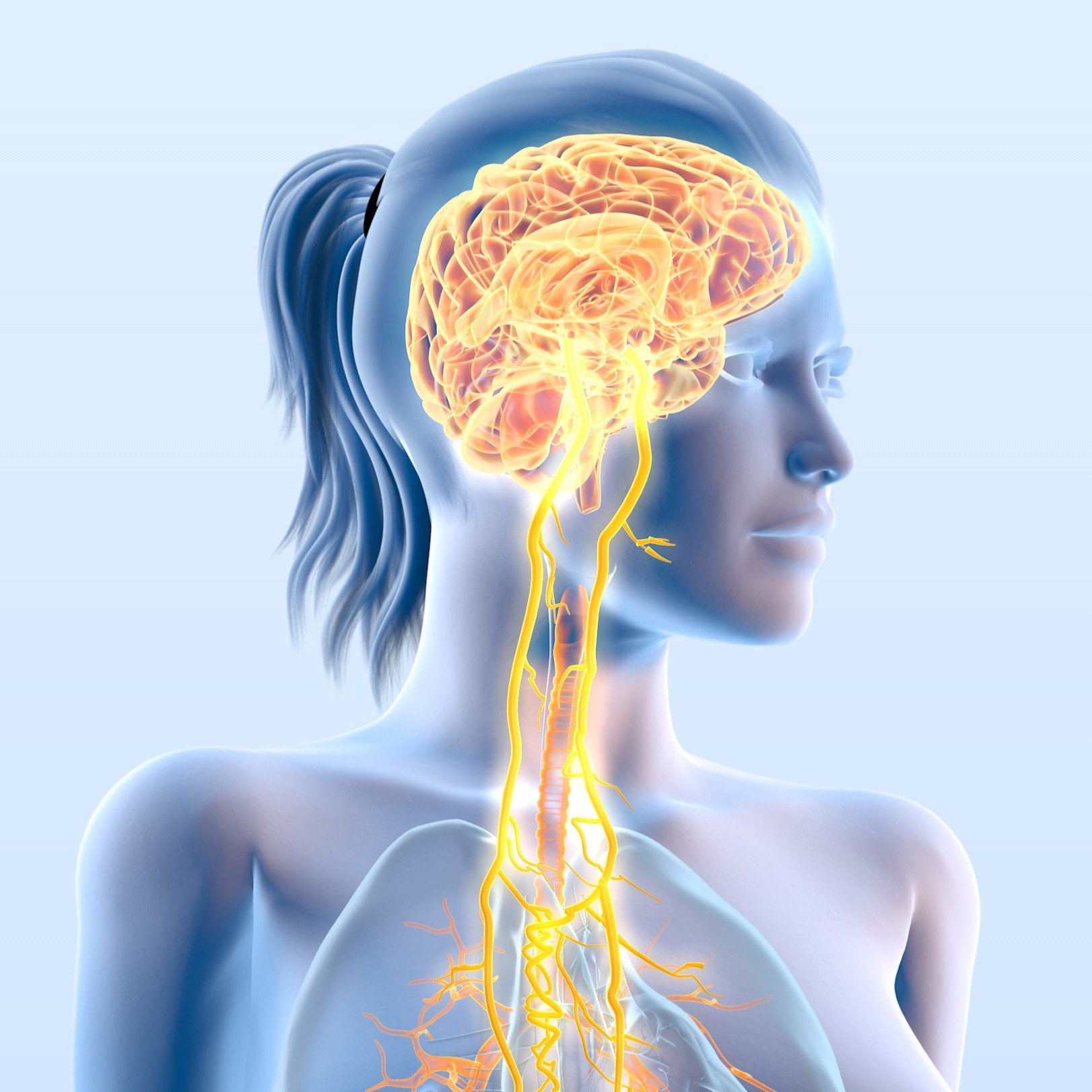
At the heart of this system is the vagus nerve, a key player in helping the body return to a state of calm. Often described as a communication “highway” between the brain and the organs, it plays an essential role in regulating stress, emotions, digestion, and recovery.
The good news is that it can be stimulated naturally through simple techniques that are accessible to everyone and easy to incorporate into daily life.
Why is the vagus nerve so important?
The vagus nerve is one of the main pillars of the autonomic nervous system. It connects the brain to many vital organs, including the heart, lungs, and digestive system.
Its role is central: it helps activate the parasympathetic nervous system—the state in which the body can slow down, digest, repair, and recover.
When properly stimulated, it supports:
- Better digestion
- More restorative sleep
- Improved stress regulation
- Hormonal balance
- Stronger immune function
- Reduced inflammation
On the other hand, an underactive vagus nerve is often associated with chronic tension, keeping the body in a constant state of “alert” and limiting its natural ability to regenerate and heal.
5 tips to boost your vagus nerve and calm the nervous system
1. Breathing
Heart Coherence Exercise
- Inhale for 4–5 seconds
- Exhale for 4–5 seconds
- Repeat 20–30 times, for a total of 3–5 minutes
Practice this breathing technique in the morning and evening, or whenever you feel stress building up.
Breathing is one of the most powerful tools for quickly influencing the nervous system. When we are stressed, our breathing becomes shallow and rapid. In contrast, slow, deep breathing sends a signal of safety to the brain and stimulates the vagus nerve.
This helps activate the parasympathetic nervous system, reduce stress, calm the heart rate, and promote a state of relaxation.
Taking just a few minutes each day to breathe mindfully can transform your internal state.
2. Vibrations: Gargling, singing, and vocal sounds
The vagus nerve passes through the throat, making it a key area for stimulation. It is connected to the vocal cords and facial muscles, which means that vibrations produced by the voice can help activate it.
Simple actions such as gargling, singing, making prolonged sounds, or even imitating animal calls can create beneficial vibrations. These activities can help:
- Release tension
- Support nervous system regulation
- Promote a sense of calm
- Encourage social and emotional connection
These practices are natural, playful, and highly effective. Even a few minutes a day can make a noticeable difference.
3. Yawning
Yawning is often underestimated, yet it plays a significant role in regulating the nervous system.
Yawning is a natural expression of relaxation and tension release. It influences the nervous system—and particularly the vagus nerve—by promoting:
- Deep relaxation
- Improved oxygenation
- A return to a calmer state
Rather than suppressing a yawn, it can be beneficial to welcome it—or even gently encourage it.
How to Trigger a Yawn
- Move your lower jaw slowly from side to side.
- After a short while, a genuine yawn will usually occur. Allow it to happen fully.
- Repeat the exercise about ten times.
Faking a yawn several times can also help trigger a real one.
4. Cold exposure: A powerful stimulus
Cold exposure naturally stimulates the vagus nerve and helps the body manage stress more effectively.
It can strengthen stress resilience, energize the body, and improve adaptability.
Here are a few simple ideas:
- Finish your shower with 30 seconds of cool water.
- Splash cold water on your face.
- Step outside for some fresh morning air.
When practiced gently and adapted to your individual tolerance, cold exposure can provide a sense of mental clarity and calm. The key is consistency and gradual progression.
5. Chewing and swallowing

These functions are often overlooked, yet they actively contribute to vagus nerve stimulation.
Slow, mindful chewing helps improve digestion, sends signals of safety to the brain, and supports nervous system balance. A calmer digestive system often contributes to a calmer mind.
Taking the time to eat and drink in a peaceful environment can become a powerful therapeutic tool.
Stimulating the vagus nerve means giving the body the conditions it needs to slow down, recover, and better manage everyday stress.
While these practices do not replace medical care when it is needed, they can become valuable supportive tools for cultivating greater calm, resilience, and grounding.
The nervous system is regulated above all through gentleness, consistency, and self-awareness.